Preparing Engineers for the Smart Automation Era with Cobots and AI Robotics
Engineering education is rapidly evolving in response to advancements in industrial automation, AI, and cyber-physical systems. Traditional classroom instruction alone no longer suffices for preparing graduates for the demands of modern, connected industries. As the robotics industry in India grows, there is an urgent need to equip students with practical skills using collaborative robots, also known as cobots, and robotic arm kits that reflect real-world industrial scenarios.
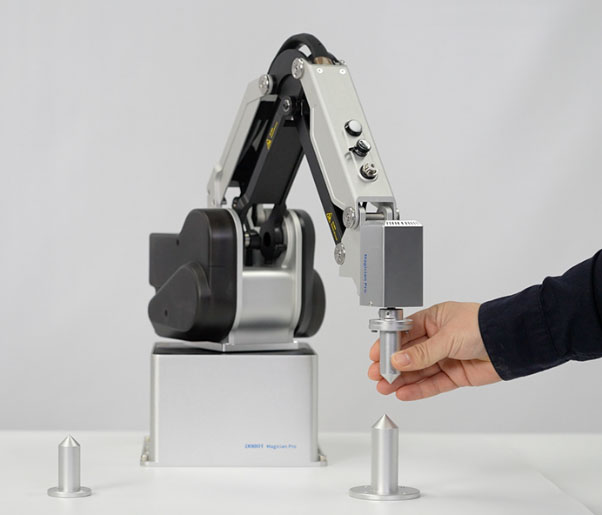
Collaborative robots offer a safer and more adaptive alternative to traditional industrial robots, enabling human-machine interaction in a shared workspace. When engineering students work hands-on with robotic arms, robots with AI, and intelligent automation systems, they develop a deep understanding of how industrial robot arms function in smart factories and logistics environments. This transformation is not just about hardware, but about giving students access to affordable robots, STEM robotic kits, and tools that promote intuitive learning.
Why Hands-On Robotics Training is Essential
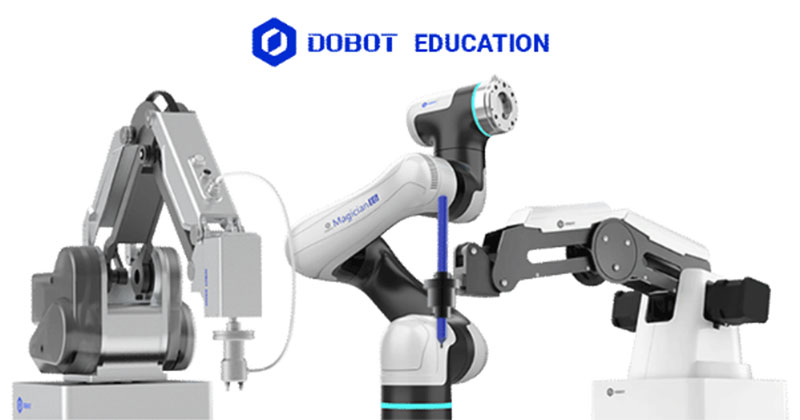
While theory is crucial, real-world robotics training gives students a competitive advantage. Using robotic arm kits, lego robot platforms, or full-featured robotic kits, learners engage with key elements of industrial workflows:
- Problem-Solving Skills– Applying robotics to challenges in automation, logistics, and smart manufacturing.
- Programming Proficiency – Learning Python, ROS, and graphical interfaces to operate robots with AI.
- Systems Integration – Understanding IoT-enabled industrial robots and their interaction with cyber-physical systems.
- Industry 4.0 Readiness – Experiencing AI-driven decision-making and collaborative robots in live industrial scenarios.
With companies across the globe shifting to AI-powered automation, engineers trained with robotic kits and collaborative robots will be better positioned to lead technological innovation.
AI and Cyber-Physical Systems in Robotics Education
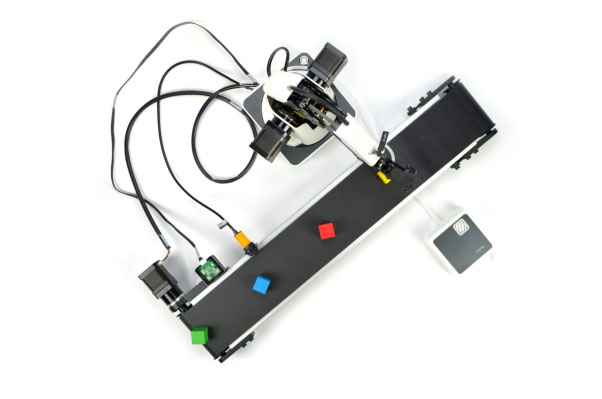
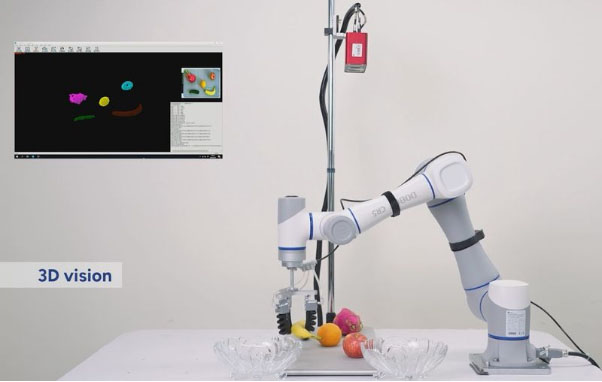
The integration of AI has elevated robotics engineering colleges in India, pushing them to include advanced topics like machine learning, smart sensing, and self-optimization. AI-powered robotic arm kits now support features like:
Computer Vision & Machine Learning – Training robots with AI to identify objects and optimize tasks.
- Cyber-Physical Systems (CPS)– Blending mechanical systems with AI for real-time process improvement.
- IoT-Enabled Robotics – Implementing real-time data analytics for autonomous industrial robot arms.
Hands-on experience with such systems through robotics training not only builds technical competence but also exposes students to the innovations reshaping the robotics industry in India.
Applied Pedagogy and Project-Based Learning
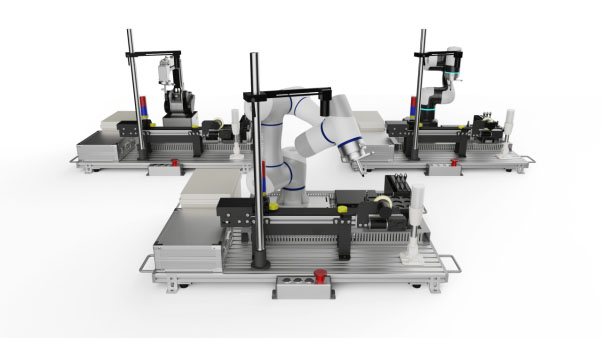
To truly empower the next generation, robotics engineering colleges in India must adopt a curriculum that combines simulation, real-world projects, and partnerships with industry:
- Simulation Tools– Let students model and test robotic automation workflows.
- Project-Based Learning – Encourage innovation using robotic arm kits and STEM robotic kits.
- Industry Collaboration – Offer internships and live demos with industrial robots and cobots.
Conclusion: Engineering the Future with Collaborative Robots
The future of automation lies in intelligent, connected systems powered by robots with AI. By integrating collaborative robots, robotic arm kits, and advanced robotics training into their programs, institutions can prepare students to lead in the era of smart automation. Affordable access to robotic kits, exposure to lego robots, and real-world problem-solving experiences will enable graduates to thrive in the expanding robotics industry in India.